

First things first—don’t panic. A filling or a crown that comes loose or falls out can be an alarming problem, but it’s a relatively common one in dental work, and it can often be resolved quickly.
We’re Sparkly Whites Cheltenham and we would suggest not chewing on that side of your mouth until it’s checked out. Attempt to cleanse the region by rinsing with warm, saline water. If your crown has fallen out and you still have it, keep it and safe and take it with you to your visit.
What is most crucial is that you book in with your dentist as soon as you can! If left too long, it can cause pain, infection or harm to the remaining tooth.
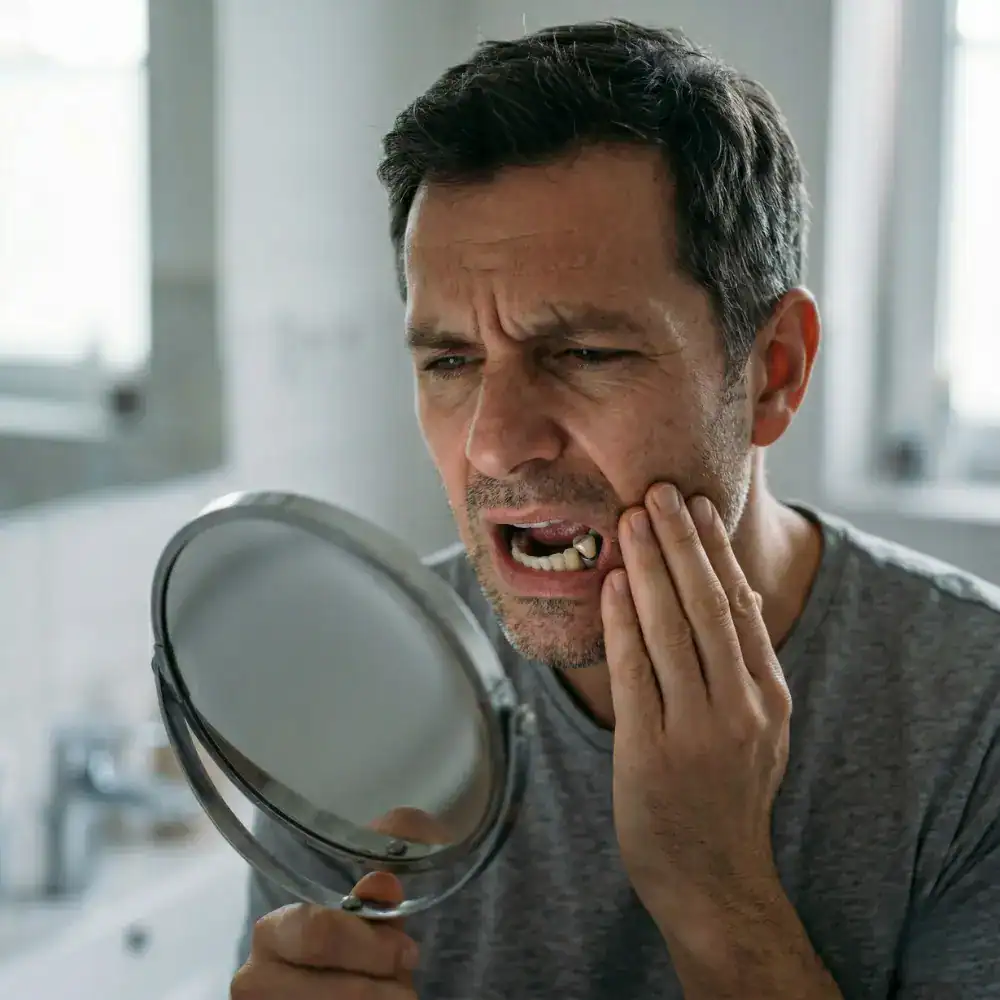
My Dental Work Is Falling Out: What Should I Do Cheltenham?
Fillings and crowns aren’t permanent—but they shouldn’t be falling out early, and they definitely shouldn’t be falling out again and again when done as part of your dental work.
It’s normal for wear and tear to occur over the years, especially if you grind your teeth or frequently consume hard or sticky foods.
Maintaining Bright Smiles: The Ultimate Guide to Laser Teeth Whitening Aftercare
But sometimes, a filling or crown can loosen due to decay underneath, an imperfect bite, or problems elsewhere with the bonding material.
Although it may not be an emergency, it is definitely not something to ignore. It’s always worth getting checked just to make sure there’s nothing more serious.
Embarrassed by a dropped crown? How to Regain Confidence Quickly Cheltenham
We hear you, it’s annoying, and it can give you a complex, especially if it happens on your front tooth. But the good news is, you won’t have to keep that smile hidden for too long.
At Sparkly Whites Cheltenham, we provide speedy appointments and speedy fixes as an after care of dental work. We can often re-cement the crown (provided it’s in good shape). If not, we will consider alternative options that can, at least, mimic your natural teeth. Can Teeth Whitening Transform Crowns and Fillings?
The key is not to delay. The earlier you come in, the faster you can start feeling confident again. Trust us — we have heard it all and we are here to help, not judge.
What’s the First Thing You Should Do When a Filling or Crown Comes Loose Cheltenham?
Once you observe a problem in your dental work, refrain from chewing on that side of your mouth. Make sure to rinse your mouth with warm water to keep the area clean and do not use any sharp objects to poke or ‘check’ the area.
If a crown has loosened, store it in a clean container and take it to your dentist. Do not attempt to glue it back yourself — you will likely only cause more damage.
Better yet, call Sparkly Whites Cheltenham and explain what has occurred. We will have you come in for a proper assessment and handle everything.
Can You Eat or Drink Normally with a Missing Filling, Or Should You Avoid It?
Technically, you can eat and drink, but we strongly suggest being cautious. A missing filling in dental work, leaves part of your tooth exposed, which means it’s more sensitive and vulnerable to damage.
Avoid hard, crunchy, or sugary foods that could make things worse or cause pain. Stick to soft foods and try to chew on the opposite side of your mouth. Can I Eat and Drink Immediately After the Whitening Treatment?
Also, stay away from anything too hot or cold—your tooth may feel extra sensitive without the filling to protect it. The best thing to do? Get it checked and filled again as soon as possible.
What Causes Crowns or Fillings to Fall Out—and Can It Be Avoided?
There are several reasons crowns or fillings might come loose or fall out even after the best dental work:
- Wear and tear over time
- Tooth decay underneath the filling or crown
- Biting into hard or sticky foods
- Teeth grinding or clenching
- Poor bonding or an old restoration
To reduce your chances, keep up with regular check-ups, brush and floss daily, and try not to chew ice, toffees, or anything too hard.
Wearing a night guard can also help if you grind your teeth while you sleep.
Prevention is always better than cure, and we’re here to help you look after your dental work for the long haul.
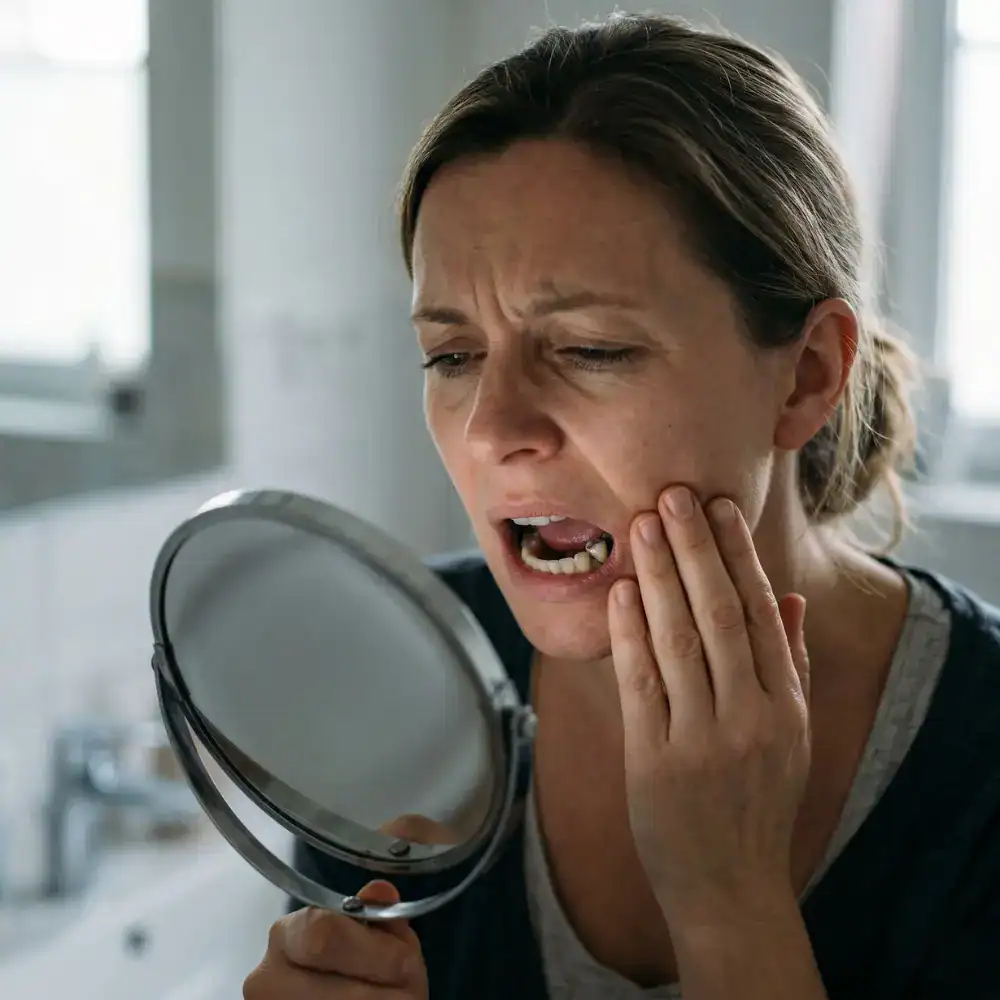
Are You Ignoring the Warning Signs of Failing Dental Work?
Now and then, your mouth offers you little hints about your dental work that things are not quite right. Pain when biting down, sensitivity to hot or cold or a rough feeling on your tooth can all be early signs that a filling or crown is beginning to fail.
You may also notice a dark line around the edge of a crown or change in the way your bite feels. It’s simple to dismiss it or to delay, but noticing these signals early can save you time, money and discomfort. Top Tips for Maintaining Healthy Teeth Enamel
At Sparkly Whites Cheltenham we always say — if it doesn’t feel right, let us check it. Better safe than sorry.
What Does It Mean If My Filling Keeps Falling Out In Regards To My Dental Work or Oral Health Cheltenham?
If you find that your filling keeps coming out, it might actually be because there’s more that’s going on underneath the surface. Sometimes, it’s a sign of tooth decay recurring, particularly if the filling is old. Other times, it may be that the tooth structure is not strong enough to hold it any longer.
Losing fillings multiple times might also indicate the possibility of having a bite that’s off, or behaviors such as clenching and grinding that are putting undue pressure on your teeth.
The good news? We can help you work out what’s giving you the problem and provide a long-term solution—whether it’s a tougher material, a crown, or other solution specific to your situation.
Frequently Asked Questions For Your Dental Work
Q: What happens if I accidentally swallowed my crown or filling while eating?
Honestly, this happens way more often than in dental work, you’d think. If you swallowed a small filling or a standard dental crown, it will almost certainly pass through your digestive system naturally without causing any internal harm. The main problem isn’t your stomach; it’s your wallet. Because the original piece is gone, your dentist will have to fabricate a brand-new crown or filling from scratch, rather than simply cleaning and re-cementing the old one. (Note: If you feel like you inhaled it and are experiencing coughing or wheezing, you need to head to urgent care immediately to ensure it isn’t in your lung).
Q: Can I just use a tiny drop of Super Glue to stick my crown back on temporarily?
Absolutely not. Please step away from the household adhesives. Cyanoacrylate (the active ingredient in Super Glue) is highly toxic to the sensitive, exposed nerve tissues in your mouth. Worse, it sets rock hard. When your dentist eventually tries to remove your DIY repair to fix it properly, they may have to drill away perfectly healthy tooth enamel just to scrape the glue off. If you are truly desperate to look presentable for an event, only use temporary dental cement from a pharmacy. Never use household glue.
Q: My filling fell out, but I’m in zero pain. Do I still need to rush to the dentist?
Yes, you absolutely still need to book an appointment, even if nothing hurts right now. When a filling drops out, it leaves behind a porous, unprotected crater in your tooth. Food gets trapped easily in this space, and the underlying dentin decays incredibly fast compared to your tough outer enamel. What is currently a cheap, painless, five-minute filling replacement can easily morph into a massive, expensive root canal if you ignore it for a few months just because it didn’t hurt.
Q: Are those over-the-counter dental repair kits actually safe to use?
They are safe like temporary dental work, but you need to view them as a strict, short-term band-aid. Temporary dental cement is okay for sealing an exposed, stinging tooth or lightly securing a front crown so you don’t look toothless at work. However, it is fundamentally not a permanent fix. It washes out over a few days and doesn’t form a watertight seal, allowing destructive bacteria to easily sneak beneath the surface and start rotting the tooth structure. Use it to survive the weekend while still getting in the chair on Monday.
Q: Will my dentist charge me to replace a crown that literally just fell off?
This depends heavily on how long the dental work has been in your mouth and the clinic’s specific policy. If a crown pops off within the first year or two of the dental work, many dentists will re-cement or replace it free of charge—assuming you’ve been maintaining good hygiene and haven’t been using your teeth to open beer bottles. However, if it’s a ten-year-old crown that finally failed because the natural tooth underneath began to decay, you will likely be paying for a new treatment plan. It’s always best to just ask the receptionist directly when you call to book.
Q: How can I stop the exposed tooth from hurting every time I drink cold water?
When dental work pops off, the exposed inner tooth layer is suddenly stripped of its protection, leaving microscopic nerve endings totally vulnerable to temperature changes. The fastest way to stop that sharp, zapping pain is to physically cover the tooth. You can grab some dental wax from the oral care aisle at your local supermarket and press it gently over the exposed stump. If you can’t get to a shop, smearing a thick blob of sensitivity toothpaste (like Sensodyne) directly onto the tooth and just leaving it there can provide some serious, albeit temporary, relief.